Paint and finishes
Washable Wall Paint: How to Choose Matt, Low Sheen or Satin
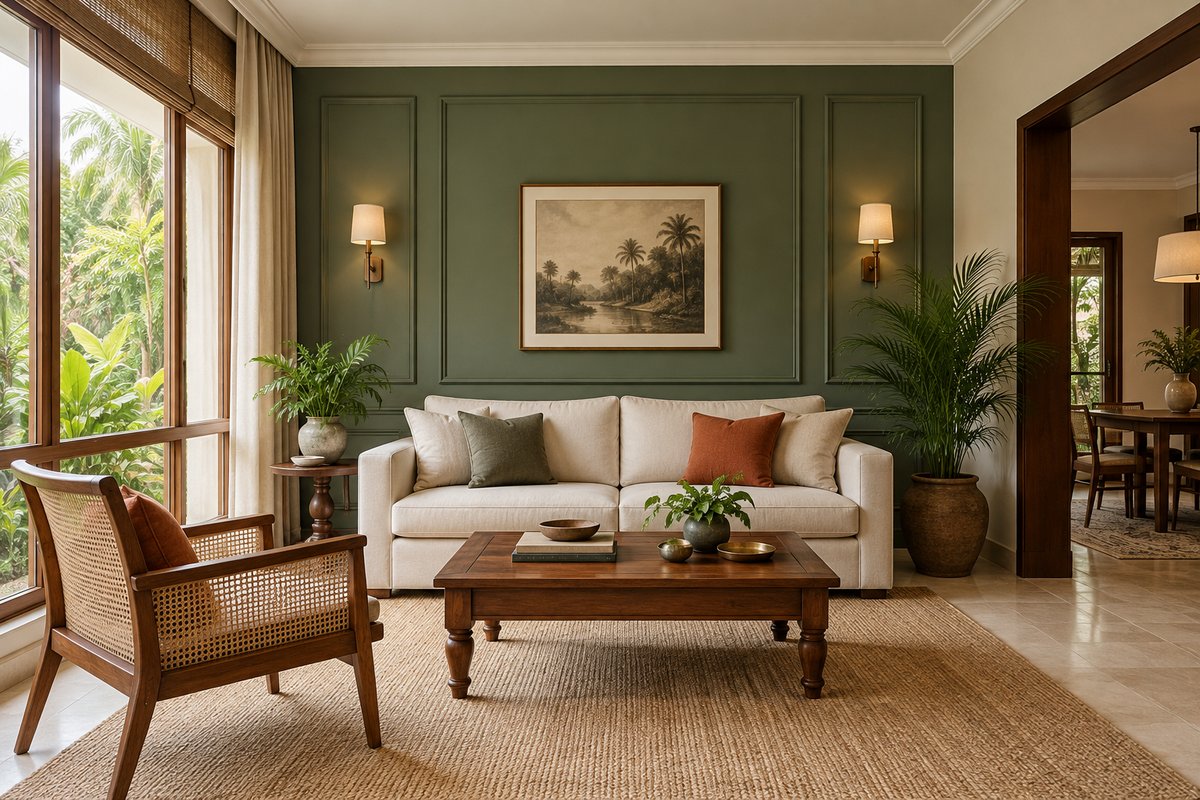
For most rooms, choose the lowest sheen that gives you the cleaning performance your household actually needs. A well-formulated washable matt can suit a busy living room; a modest low-sheen finish may be more practical along a frequently touched passage. Read the exact product instructions before deciding. Sheen describes reflected light, while washability depends on the paint formulation and how the wall is prepared, applied and allowed to cure. This guide explains how to choose between them without making every wall glossy.
A starting comparison for interior finishes
| Finish | Useful starting point | What to check before choosing |
|---|---|---|
| Flat or conventional matt | Quiet ceilings or lower-contact walls where low reflection matters. | Cleaning limits vary. It may mark or polish visibly when rubbed; check the actual product. |
| Washable matt | Living rooms and bedrooms needing low reflection with practical cleaning. | Verify the manufacturer’s cleaning method, cure time and intended substrate. Not every matt is washable. |
| Low sheen or eggshell | Passages, dining walls and other regularly touched surfaces. | Names differ across brands. Test reflected light and compare durability within the chosen range. |
| Satin or semi-gloss | Selected trim, doors or walls where the specified system suits the task. | Higher reflection can emphasise surface imperfections. Confirm substrate compatibility and preparation. |
Start with the wall’s job, not the colour card
Walk through the room and mark the places that get touched: the wall beside the light switch, dining chairs, the passage corner and the space behind a desk. Separate ordinary dust from oily cooking residue or repeated hand marks. Those are different cleaning demands. A quiet bedroom wall and a family dining corner do not automatically need the same specification.
Next, look along the wall towards a window. Light arriving from the side can reveal patches, uneven plaster and roller marks that are less obvious when you face the wall directly. A lower-reflection finish may make minor visual irregularities less noticeable, but paint does not repair cracks, loose plaster or dampness. Note the wall condition and the cleaning need separately so the painter can price both preparation and the final finish.
Sheen names help, but they are not a universal grading system
Flat, matt, eggshell, low sheen, satin and semi-gloss are useful labels, but different manufacturers do not necessarily use them in exactly the same way. Compare samples from the actual range you can buy rather than assuming one brand’s eggshell equals another brand’s low sheen. The comparison below is a starting point, not a substitute for the product data sheet.
There are washable matt products: Dulux’s Australian Wash&Wear Matt range is one manufacturer example. That shows why “all matt paint cannot be cleaned” is too broad a rule. It does not establish that every matt product has equivalent durability or that an overseas range is stocked in Sri Lanka. Ask the local supplier for the precise product name, intended surface, cleaning instructions and available finish. Overseas manufacturer references in this article explain selection principles; local availability and suitability still need checking.
Choose a finish room by room
For a living room or bedroom, begin by comparing a washable matt with a low-sheen option on a prepared sample. If you value a quiet-looking background for timber furniture and artwork, lower reflection can be useful. In a dining area or passage, consider how often the wall will need wiping and whether furniture can be positioned to reduce repeated scuffing. A more durable formulation may matter more than moving to a much shinier finish.
Kitchens and bathrooms need a closer look at ventilation, condensation and the exact painted zone. Manufacturer-designated kitchen or bathroom paints may offer properties intended for those conditions. They are not a replacement for repairing leaks, providing suitable ventilation or specifying a proper waterproofing system where required. Do not assume an ordinary wall paint is suitable inside a shower or on a persistently wet surface. Ask a qualified project professional to resolve the wet-area assembly before choosing its visible finish.
Ceilings, doors and skirting boards are separate surfaces. A ceiling finish may prioritise low reflection, while doors and trim may need a coating suited to repeated handling and their particular substrate. Do not instruct the painter to use the same wall product on timber or metal simply to keep one colour throughout.
Use real light and the actual furniture when testing colour
The same colour can look different when its surface reflects more light. Check a sample near the window, away from it and under the room’s evening lighting. Include your existing floor, curtains and a real piece of timber or a finish sample in the comparison. A shade that looks balanced on a white shop card can feel different beside a warm timber cabinet.
Use a sample prepared as the supplier recommends, including the relevant undercoat or primer. A rough patch on an unprepared wall is not a fair test of the final finish. Keep the selected finish and colour recorded together: a colour name alone is not a complete paint specification. When a new batch is needed, the supplier will also need the actual range, base and recorded colour reference rather than a phone photograph.
In a tropical home, investigate moisture before repainting
If paint is blistering, staining or repeatedly peeling, identify why before choosing a more expensive topcoat. Possible causes include a leak, condensation or moisture moving through the construction, and they need different solutions. A painter should not promise that a washable finish will solve all of them. Arrange an appropriate inspection when the cause is uncertain, especially around plumbing, roofs and exterior-facing walls.
Discuss daily ventilation and how wet rooms dry after use. Mould-resistant paint may form part of a suitable specification, but it cannot make a continuously damp room dry. Follow the chosen manufacturer’s surface-treatment instructions and seek professional advice for recurring or extensive mould. Avoid improvised chemical mixtures or scraping unknown old coatings without an assessment of the material and suitable precautions.
Preparation is part of the paint system
Ask the painter to list the preparation steps: removing unsound material, cleaning contamination, making suitable repairs, sanding where appropriate and using the primer required for the substrate. New plaster, previously glossy paint, repaired patches and stained surfaces can need different treatment. The topcoat should be compatible with what is underneath; a label saying “washable” does not settle that question.
The application instructions also matter. Confirm the specified number of coats, permitted thinning, conditions for application and the waiting time between coats for the actual product. Do not reduce a quotation to a promise of “two coats” if the preparation and coverage are undefined. Manufacturer instructions should govern the system; this article is a planning guide, not a site-specific coating specification.
Compare quotations using a simple room finish schedule
Make a short schedule with a row for each room and separate rows for walls, ceiling and trim. Record the existing substrate, repair allowance, primer, exact topcoat range, colour reference and sheen. Add who supplies the materials, whether furniture protection and moving are included, how adjacent finishes are masked, and who removes debris. For occupied homes, agree the work sequence and when each room can be used again.
Ask how the painted area was measured and whether doors, windows, high-level access and difficult corners affect the price. Material quantities should come from the actual product’s coverage guidance and required coats, with an appropriate allowance for the surface and application. A generic litre estimate copied from another brand is unreliable. Compare the same scope across quotations; a cheap topcoat rate can conceal excluded preparation or a different paint range. We have not verified current Sri Lankan retail prices for this guide, so it does not attach invented LKR rates to these choices.
Plan cleaning and touch-ups before the first coat
Dry to the touch is not the same as ready for repeated washing. Ask for the product’s full curing guidance and cleaning instructions at handover; the required wait depends on the coating and conditions. Once cleaning is permitted, start gently with the manufacturer-approved method and test an inconspicuous area. Aggressive scrubbing can change the appearance of a finish, even if the original mark becomes less obvious.
Keep the product label, colour formula or reference, finish, batch information and application date with the room schedule. Store leftover paint only as its safety and storage instructions permit. A small touch-up may remain visible because of differences in ageing, application or sheen. Test first and agree with the painter when repainting a whole wall would give a more consistent result. “Washable” means a care method is available; it does not mean every stain will disappear without a trace.
A practical example: one home, several sensible finishes
Imagine a home with a calm bedroom, a busy dining passage and a bathroom that stays damp after use. The bedroom may suit a washable matt that looks comfortable beside its solid timber furniture. For the dining passage, compare that product with a low-sheen alternative using the actual cleaning guidance and a prepared sample, while adding a chair-clearance plan to reduce scuffs.
The bathroom needs its moisture problem investigated first. After that, specify the correct system for each painted surface and any specialist wet zones, rather than carrying the passage paint through by default. This is an illustrative decision process, not a completed BJ Atelier client project. It shows why a coordinated colour palette can still use different finishes where the rooms demand them.
Give your designer and painter a clear brief
Send room photographs, approximate dimensions, the existing wall condition, the areas that are hardest to keep clean and the furniture finishes you plan to retain. Mention any dampness or previous coating failure. A useful design conversation connects colour, reflection, light, maintenance and the repair scope instead of choosing each in isolation.
BJ Atelier is based in Chilaw, Sri Lanka, with online consultations available. We can help coordinate interior finishes with furniture guidance, drawings and QS cost planning. Visit bjatelier.com or use the enquiry form with your room photos, dimensions and brief. Site diagnosis, specialist repairs and the final paint-system specification should be agreed with the appropriate project professionals.
Your next-step checklist
- Map frequent-touch areas and inspect the wall in side light before choosing a finish.
- Resolve the cause of dampness or coating failure instead of hiding it with a topcoat.
- Record the exact local product, colour reference, sheen, primer and intended substrate.
- Approve a properly prepared sample in daylight and the room’s evening lighting.
- Compare quotations that include repairs, protection, access, materials and clean-up.
- Keep the room schedule, product labels and curing and cleaning instructions at handover.
Common questions
Is washable matt better than low sheen?
Neither is automatically better. Compare the actual products for the room’s cleaning demands and the reflection you prefer. A washable matt can be practical, while another matt product may have different cleaning limits.
Should every bathroom wall be gloss?
No. Select a product and substrate system intended for the conditions and painted zone. Ventilation, moisture causes and any required waterproofing need to be addressed separately; sheen alone does not establish wet-area suitability.
Can a matt finish hide a damaged wall?
It can make some minor visual irregularities less conspicuous, but it cannot repair cracks, loose plaster, dampness or an incompatible old coating. Preparation must be specified before the finish.
How soon can I wash newly painted walls?
Use the chosen product’s full curing and care instructions. Touch-dry and recoat times are not permission for repeated washing, and there is no single waiting period that applies to every paint and room.
Can I buy the overseas paints linked in this guide in Sri Lanka?
The links explain manufacturer principles and examples, not verified Sri Lankan stock. Ask a local supplier for the available product’s data sheet and cleaning guidance before approving a substitute or placing an order.
Related planning guides
Further reading & sources
Make the idea work for your home.
Share your location, room photos, dimensions and budget range. We can help you choose the appropriate design, drawing or costing service.
Explore design services →Prepared with AI assistance for BJ Atelier. These articles offer general planning guidance. Project-specific dimensions, specifications, professional checks and prices are agreed separately.